




 ADDED TO CART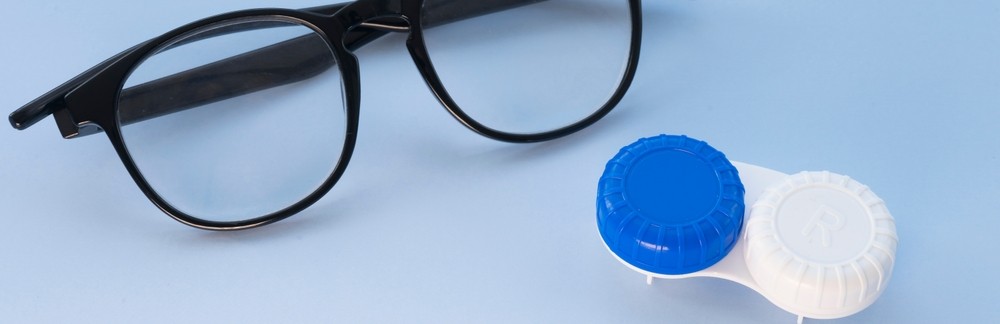
You woke up, looked in the mirror, and there it was — a sore red bump sitting right on the edge of your eyelid. A stye (also spelled sty) is painful, and it always seems to appear at the worst possible moment. Here's the reassuring part: a stye is almost always harmless, and most clear up on their own within 1 to 2 weeks. This guide covers how to get rid of a stye safely, what to skip, whether a stye is contagious and when it's worth seeing an eye doctor.
What a stye actually is
That painful lump has a surprisingly simple cause. A stye is a small infection at the base of an eyelash, or in one of the tiny oil glands along your eyelid. The usual culprit is Staphylococcus (a common skin bacteria that lives on us harmlessly), which slips into a follicle and sets off a red, sore swelling. The American Academy of Ophthalmology notes that a stye usually builds to a whitehead-like point before it drains. [1]
It's also worth knowing what a stye is not. A chalazion, for example, is a firmer, painless lump that comes from a blocked gland rather than an active infection. If your lump doesn't hurt at all, that difference matters for how you treat it.
How to get rid of a stye at home
A fresh stye is painful and distracting, and the best first step, luckily, costs you nothing. Soak a clean cloth in warm (not too hot) water and hold it gently on the closed eye for 10 to 15 minutes. Do this 3 to 4 times a day, and use a fresh cloth each time so you don't move bacteria around. A warm compress softens the blocked oil and encourages the stye to drain on its own. Afterward, clean the eyelid with watered-down baby shampoo, then wash your hands thoroughly.
Warm compresses done consistently over the first 24 to 48 hours bring the most relief. The Mayo Clinic notes that most styes start to shrink within a few days of steady warmth, so a little patience really does pay off. [2]
Can you get rid of a stye overnight?
It's frustrating to wait when you want a stye gone by morning, and plenty of people search for a way to get rid of a stye overnight. The honest answer is that there's no reliable overnight cure. A stye is an infection, and your body needs a few days to clear it. Here's what actually helps: start warm compresses the moment you feel one coming on. This often eases the throbbing by the next morning and helps the stye drain faster.
One thing you should never do, however tempting it feels, is squeeze or pop a stye. That only pushes the infection deeper and can spread bacteria across your eyelid, turning a small problem into a bigger one. Instead, let a stye open and drain on its own.
Is a stye contagious?
This is the question that makes people worried about sharing a towel or hugging their kids. The short answer is reassuring: a stye itself is not contagious, and you can't catch one the way you catch a cold. What can travel, though, is the bacteria behind it.
To stop the spread, wash your hands before you touch your eyes, and avoid sharing towels, pillowcases or eye makeup. Throw out any mascara or eyeliner you were using when the stye first showed up. If styes keep coming back, old makeup and hand-to-eye habits are usually the reason.
What to do about your contacts
The last thing you want with a stye is to make it worse, and wearing contacts can do exactly that. A lens sits right on the eye, so it can trap bacteria against the infection and slow down healing. So skip your contacts while a stye is active and wear your glasses instead. Stay lens-free until the redness, swelling and soreness are completely gone.
There's one more step people often forget. Throw away the lenses you had in when the stye started (both lenses, not just the one on the sore side), because they may already be carrying the bacteria. This is where daily disposables make life easy. A daily lens is a fresh, sterile pair every morning, with no case or solution to harbor bacteria between wears. 1-Day Acuvue Moist (with LACREON moisture technology) runs about $49.59 for a 30-pack, DAILIES TOTAL1 is around $45.59, and value picks like Precision1 ($32.79) and Miru 1-Day ($19.19) keep a clean restart affordable.
If you reuse a monthly or two-week lens, disinfect it with fresh lens-care solution before you wear it again. Never top up old solution sitting in the case. It's a small hassle for a week or so, but it keeps your eye safe while everything heals.
When to see an eye doctor
Most styes clear up with warm compresses alone, so it's natural to wonder when a stye is actually worth worrying about. See an eye doctor or optometrist if any of these apply:
- The stye hasn't improved after about 2 weeks, or it keeps getting bigger and more painful instead of better.
- The swelling spreads beyond the eyelid, or the whole eye turns red, puffy and genuinely sore.
- Your eyesight changes, or the stye starts to affect how clearly you can see out of that eye.
- You keep getting styes, which the Cleveland Clinic notes can point to an underlying eyelid condition worth checking. [3]
A doctor can drain a stubborn stye or prescribe treatment, and if styes keep returning, a full eye exam is a smart move. Your FSA and HSA dollars and your vision insurance can all go toward the visit. Once your eye has fully healed, with no redness or soreness left, you're clear to wear your lenses again. A fresh 30-pack of daily disposables like Miru 1-Day ($19.19) lets you start clean, with free shipping on every order. A stye is rarely serious, but your eyes are always worth treating gently.
Sources
[1] American Academy of Ophthalmology (aao.org) — a stye usually builds to a whitehead-like point before it drains.
[2] Mayo Clinic (mayoclinic.org) — most styes start to shrink within a few days of steady warmth.
[3] Cleveland Clinic (my.clevelandclinic.org) — recurring styes can point to an underlying eyelid condition worth checking.

